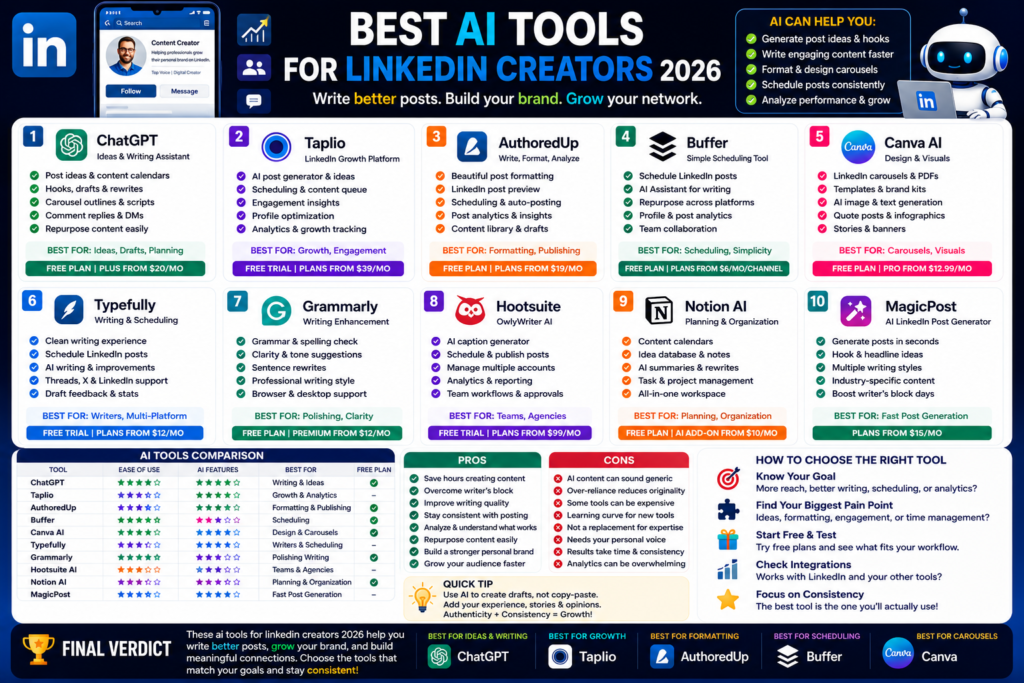
Best AI Tools for LinkedIn Creators 2026
Best AI Tools for LinkedIn Creators 2026: Write Better Posts, Grow Your Brand, and Save Time...
As we move into 2026, the landscape of artificial intelligence continues to evolve rapidly. Among the myriad of AI models available, Phi-4 and Gemma 2 have emerged as two of the most promising small yet powerful AI frameworks. This article delves into a comprehensive comparison between these two models, highlighting their features, capabilities, and potential applications.
Phi-4 is a cutting-edge AI model developed with a focus on efficiency and effectiveness. It leverages advanced machine learning techniques to deliver high performance in a compact package. Phi-4 is particularly noted for its:
Gemma 2 represents the next generation of AI models, focusing on user-friendliness and robust performance. It is engineered to empower developers and businesses alike with its:
While both Phi-4 and Gemma 2 are impressive in their own right, they cater to different needs and preferences. Below is a comparative analysis:
| Feature | Phi-4 | Gemma 2 |
|---|---|---|
| Model Size | Compact | Small |
| Performance | High Speed | High Accuracy |
| Latency | Low | Moderate |
| User-Friendliness | Moderate | High |
| Scalability | Excellent | Good |
| Best Use Case | Real-time applications | Data analysis |
Phi-4 is tailored for scenarios where speed is paramount. It excels in environments demanding rapid decision-making processes, such as autonomous vehicles and live data feeds. In contrast, Gemma 2 prioritizes accuracy, making it the preferred choice for applications where precision is crucial, like medical diagnostics or fraud detection.
Both models are designed to be resource-efficient; however, Phi-4 has a slight edge due to its smaller architecture. This allows it to run effectively on devices with limited computational power, while still maintaining high performance. Gemma 2, while still efficient, may require slightly more resources to achieve its superior accuracy.
Phi-4’s design makes it particularly suitable for:
Gemma 2 is best utilized in contexts such as:
The decision between Phi-4 and Gemma 2 largely depends on the specific needs of your project. If your priority is speed and you are working with limited resources, Phi-4 is your go-to option. However, if accuracy is paramount and you can afford a bit more resource consumption, then Gemma 2 is the better choice.
Both Phi-4 and Gemma 2 represent significant advancements in the field of AI models, each offering unique advantages tailored to different applications. As technology progresses, it’s essential to stay updated on the latest tools available to make informed decisions for your AI projects. Explore more AI tool comparisons on AI Daily Tool.
Best AI Tools for LinkedIn Creators 2026: Write Better Posts, Grow Your Brand, and Save Time...
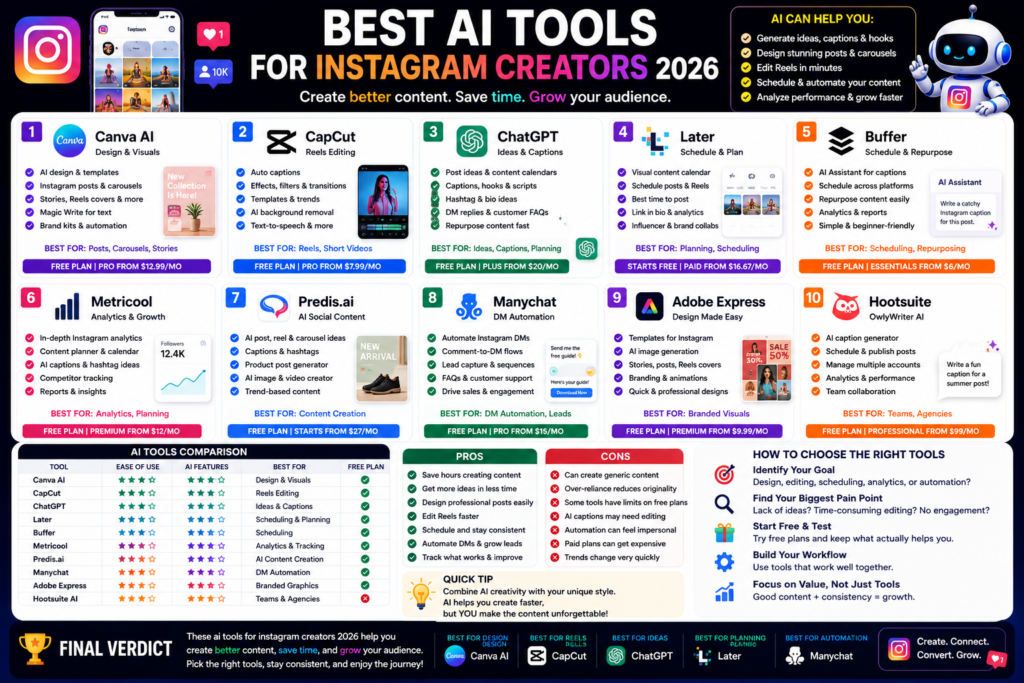
Best AI Tools for Instagram Creators 2026: Create Better Posts, Reels, and Carousels Faster Quick Answer:...
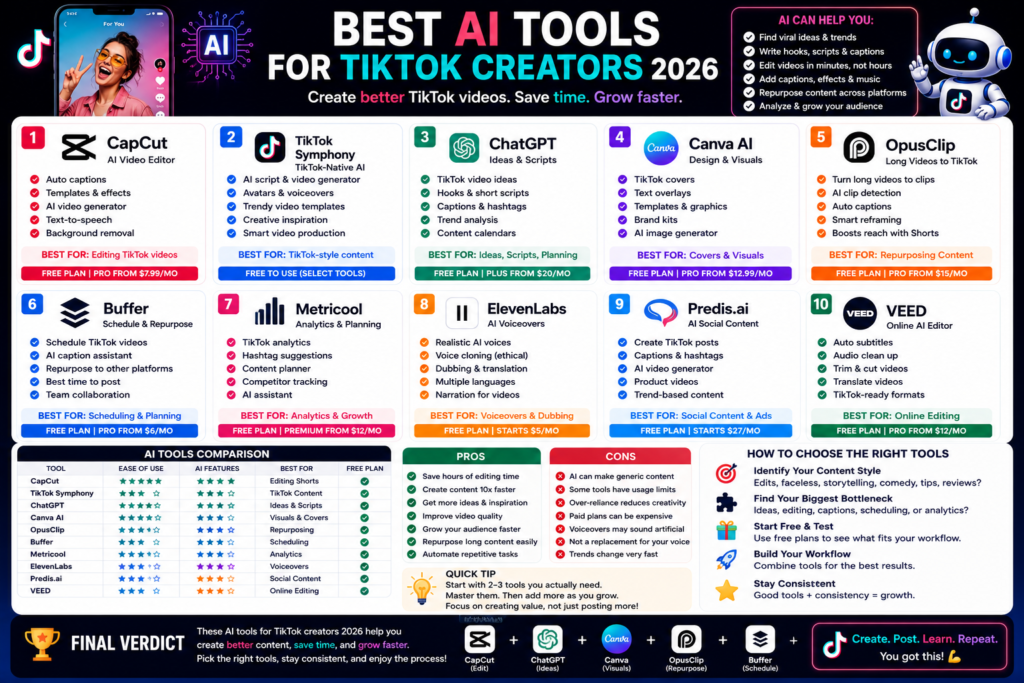
Best AI Tools for TikTok Creators 2026: Create Faster, Edit Smarter, and Grow Your Audience Quick...
Leave a Comment